If you’ve ever switched hazelnut flour brands mid-project and noticed your financiers tasted flatter than usual, or your dacquoise — the meringue-based cake layer made with nut flour — came out nuttier than expected, you weren’t imagining things. Hazelnut flour isn’t a single, uniform ingredient any more than olive oil is. The cultivar (the specific variety of hazelnut) and the region where it’s grown both have a measurable effect on fat content, roast depth, and the flavor compounds the nut carries into your bake. This article breaks down the two origins you’re most likely to encounter as a serious home baker or pastry professional: Oregon-grown Barcelona hazelnuts and Turkish blanched hazelnuts, which dominate the bulk-import market. By the end, you’ll have a clear decision framework for which to use — and when spending more for origin-specific flour is actually worth it.
| EDITOR'S PICK[Presto Sales Filberts/Hazelnuts…](https://www.amazon.com/dp/B077HFWK5P?tag=greenflower20-20) | Mid-tierPresto Sales Filberts/Hazelnuts… | Budget pick[Oregon Farm To Table Hazelnuts…](https://www.amazon.com/dp/B098GDDMRM?tag=greenflower20-20) | |
|---|---|---|---|
| Origin | Oregon USA | Oregon USA | Oregon Farm To Table |
| Weight | 5 lbs | 1 lb | 1 lb |
| Form | Flour | Flour | Dry Roasted Natural |
| Diet | Vegan, Keto | Vegan, Keto | — |
| Certification | — | — | Kosher |
| Price | $53.99 | $26.99 | $19.99 |
| See on Amazon → | See on Amazon → | See on Amazon → |
What Makes Two Hazelnut Flours Taste Different Before You Even Open the Bag
The flavor difference between Oregon Barcelona and Turkish blanched flour starts at the orchard level, not the mill. Three variables drive almost everything:
1. Cultivar genetics. The Barcelona is the dominant cultivar in the Willamette Valley of Oregon — a large, round nut with relatively high oil content and a mild, sweet flavor that doesn’t aggressively announce itself. Turkey’s production is more varied, but blanched hazelnut flour exported at scale typically draws from Tombul, Palaz, and Çakıldak cultivars grown in the Black Sea region. These tend to carry a more pronounced, almost savory-nutty baseline flavor with slightly lower moisture.
2. Fat content and oil character. Hazelnuts are roughly 60–65% fat by weight, according to Healthline’s nutritional overview of hazelnuts (“Hazelnuts: Nutrition, Benefits, and How to Use Them”). That range matters in baking. Higher-fat flours spread more in thin applications like tuiles or frangipane — the nut-paste cream used in tarts — and they go rancid faster. Oregon Barcelonas tend to run toward the upper end of that fat window. Turkish bulk flours, because they’re often processed at higher volume with longer supply chains, may arrive with slightly lower active fat due to off-gassing during transit and storage.
3. Blanching and skin removal. Both sources are frequently sold blanched — meaning the papery brown skin has been removed before grinding. But the timing and method of blanching shifts flavor. Skin-on flour from either origin carries tannins (bitter, astringent compounds concentrated in the skin) and a deeper, more rustic flavor. Blanched flour from both origins is cleaner and paler. The meaningful difference is that Oregon small-batch millers often blanch closer to the grind date, while large Turkish import batches may be blanched months ahead of export. Freshness of blanching affects how “green” or grassy the flour smells on opening.
The Flavor Profile Comparison
Based on purchasing commentary, professional pastry forums, and editorial coverage from sources including Food52 (“The Case for Hazelnut Flour in Everything”) and King Arthur Baking’s development notes on nut flour baking, a consistent pattern emerges across the two origins.
Oregon Barcelona: The Mild, Sweet Baseline
Oregon Barcelona flour reads as sweeter and more neutral on the palate. Bakers working with single-origin Oregon flour — sourced from small-batch domestic mills — consistently describe it as having a “clean hazelnut” note without aggressive bitterness or earthiness. This makes it the preferred choice for delicate applications where you want the nut flavor present but not dominant: dacquoise layers, hazelnut sablé crusts, and financiers where the browned butter is supposed to be the star rather than the nut itself.
The shorter domestic supply chain is a practical advantage here. Oregon Barcelona flour purchased from a domestic specialty miller is typically closer to its grind date than an equivalent volume of imported Turkish flour, and freshness translates directly to flavor brightness.
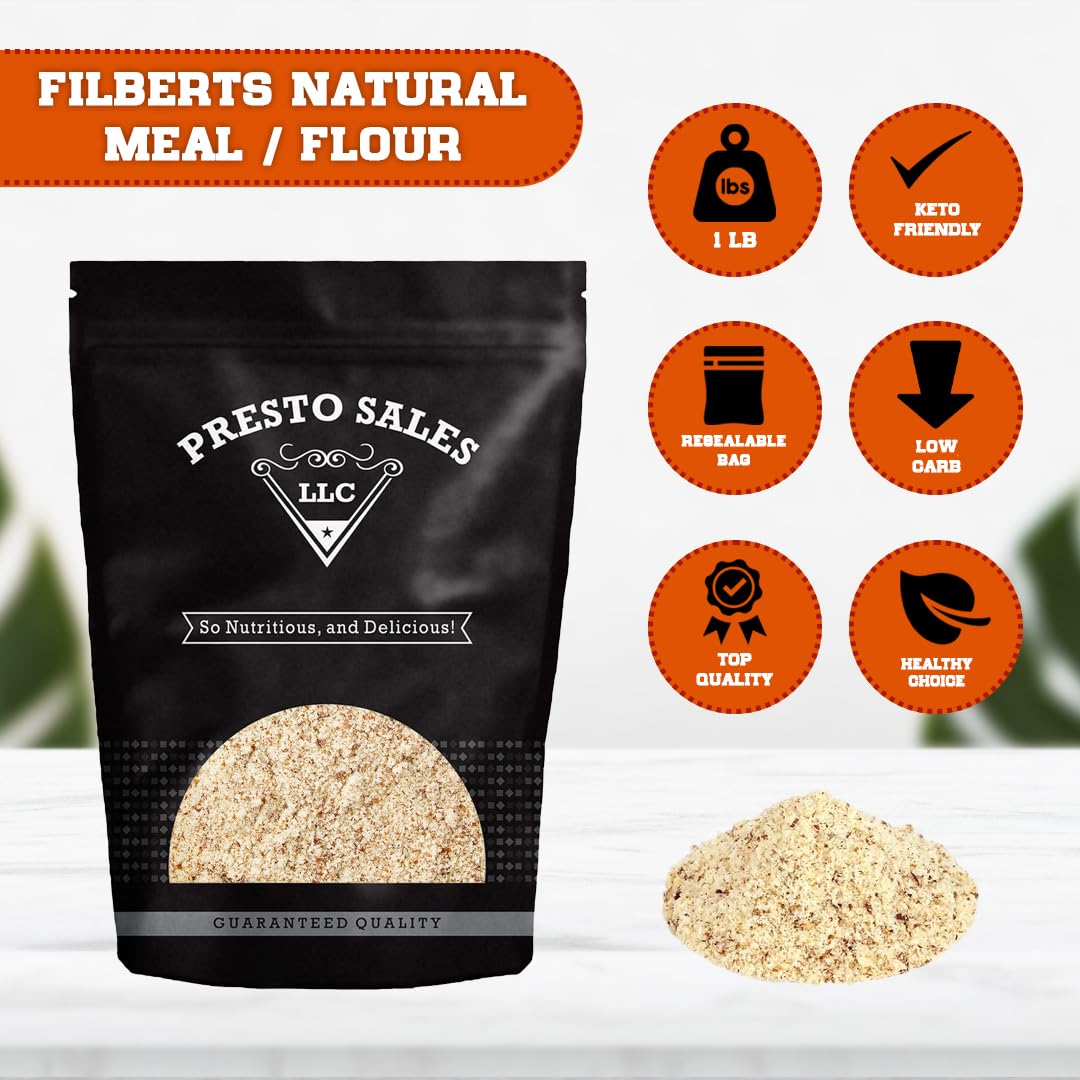
Presto
$26.99
In stock on Amazon
Check price on AmazonTurkish Blanched (Tombul and Palaz Cultivars): Bold, Assertive, Complex
Turkish blanched flour reads as bolder, more assertive, and in some applications more complex. The Black Sea cultivars — particularly Tombul, considered a premium variety within Turkey’s production — carry a deeper, earthier hazelnut note. Gustiamo’s sourcing notes on Piedmont hazelnuts draw a useful distinction: the Tonda Gentile (the prized Italian cultivar) has a “sweet, persistent, and intense” profile — and Turkish Tombul is its nearest international analog, not the Barcelona. For applications where hazelnut flavor is the headline — praline pastes, hazelnut-forward buttercreams, or a gianduja (the chocolate-hazelnut blend foundational to Italian confectionery) base — Turkish or Italian-origin flour punches considerably harder.
The tradeoff is supply-chain transparency. Unlike Oregon production, which is traceable through the Oregon Hazelnut Marketing Board’s Annual Production and Variety Report, Turkish bulk imports sold through commodity channels often lack harvest-year information, making freshness harder to verify at the point of purchase.
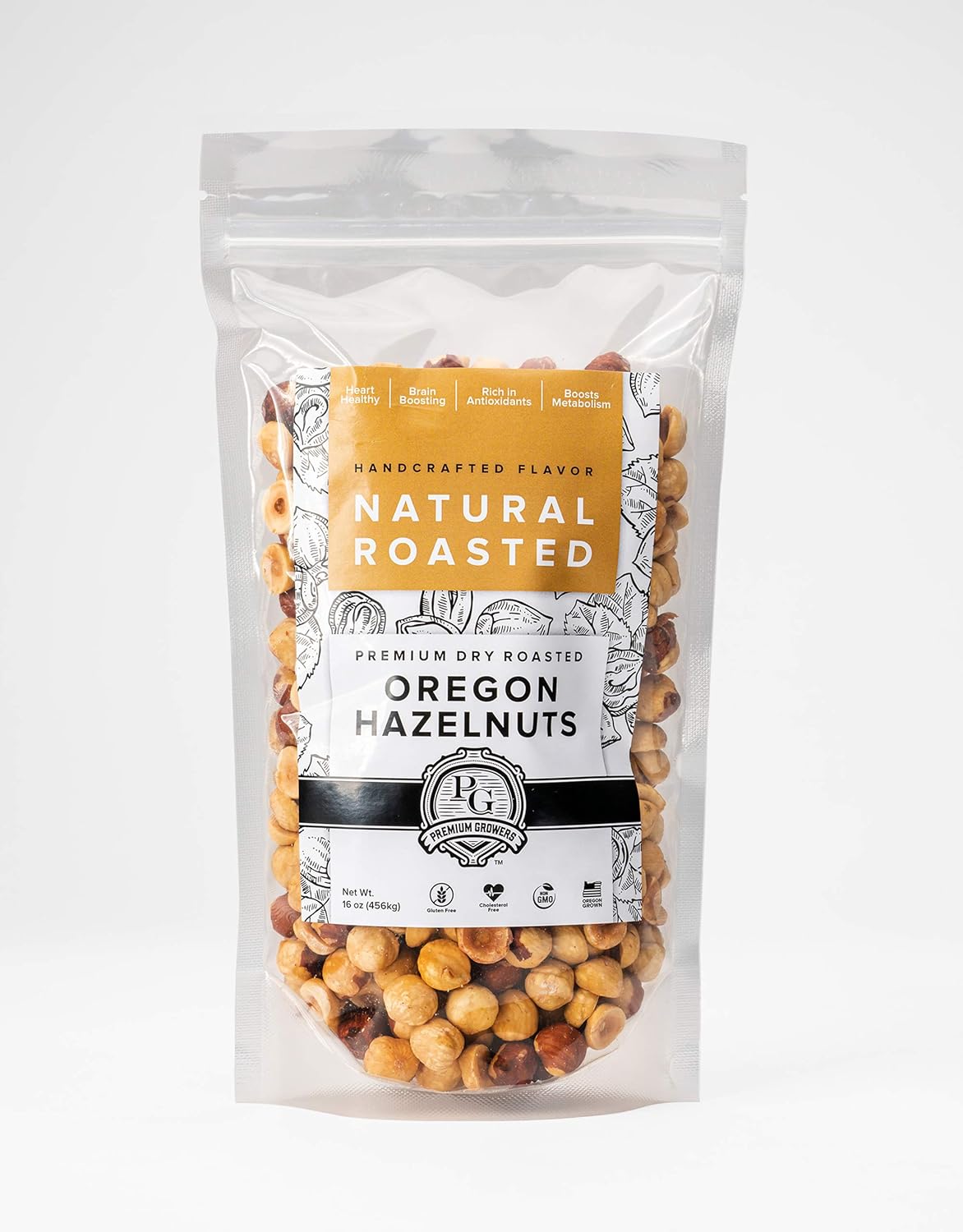
Oregon
$19.99
In stock on Amazon
Check price on AmazonItalian Tonda Gentile: The Single-Origin Showpiece
If Turkish Tombul is the boldest widely available option, Italian Tonda Gentile — sourced through specialty importers like Gustiamo, which provides Piedmont hazelnut sourcing and cultivar documentation — represents the premium ceiling. The flavor is intensely aromatic, with a pronounced sweetness that persists through baking even when competing with butter, sugar, and chocolate. It is the cultivar behind authentic Piedmontese gianduia and the traditional Torta di Nocciole.
At the price points this flour commands — often $45 to $55 per pound or more through specialty importers — Tonda Gentile is not a general-purpose pantry staple. It earns its cost in single-origin showpiece applications: a hazelnut dacquoise served unmasked, a hazelnut financier where the nut is the dessert’s entire argument, or a gianduja base intended to compete with professional pâtisserie.
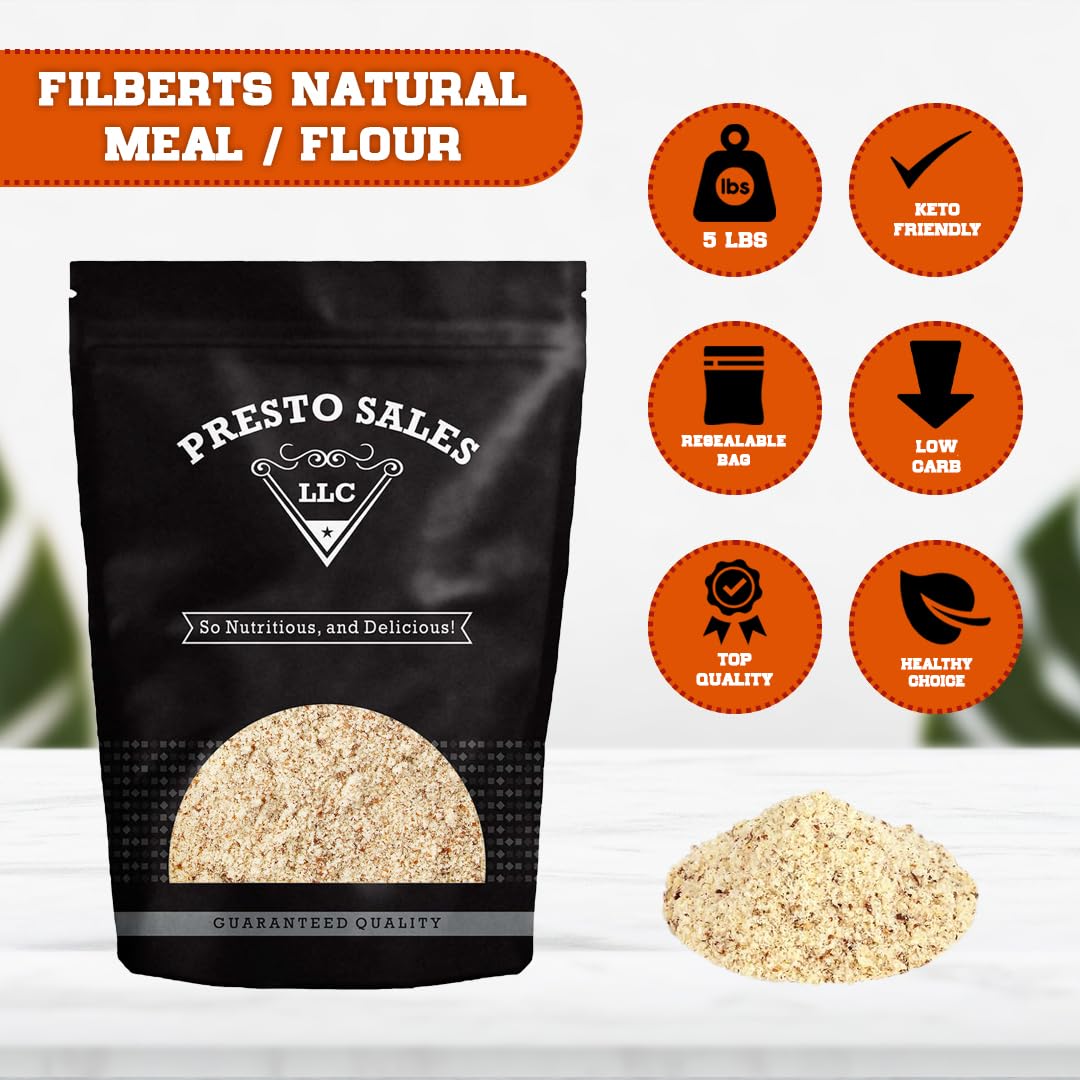
Presto
$53.99
In stock on Amazon
Check price on AmazonGrind Consistency and What It Does to Your Bake
Origin is only half the story. How finely the nut is milled — and how consistently — determines texture outcomes as much as flavor does. This is where the price gap between a $12 bag and a $48-per-pound specialty import becomes defensible in recipe terms.
Coarser grinds, common in mass-market Turkish blanched imports sold under commodity private labels, leave visible nut particulate in the final bake. In a dacquoise, that means a slightly more rustic, chewy texture — sometimes desirable, sometimes not. In a frangipane, it can mean an uneven cream that breaks during baking.
Fine and extra-fine grinds, typical of Oregon small-batch millers and specialty importers who source Piedmont flour, integrate more completely, yielding a more uniform crumb and allowing the flour to function closer to a traditional wheat flour in laminated or piped applications.
King Arthur Baking’s nut flour baking guide makes clear that particle size is one of the most underappreciated variables in nut flour baking — a reminder that “hazelnut flour” on a label doesn’t tell you nearly enough about what’s inside. When in doubt, rub a small amount between your fingers: fine-milled flour should feel almost powdery, not gritty or sand-like.
The practical implication for volume production: if you’re making tart shells or macarons for a boutique patisserie, grind consistency isn’t a preference — it’s a yield issue. Inconsistent particle size translates to inconsistent hydration absorption and variable bake times batch to batch.
Storage, Rancidity, and the Hidden Cost of Cheap Flour
High-fat nut flours are perishable in a way all-purpose flour is not. The polyunsaturated and monounsaturated fats in hazelnuts begin oxidizing — turning rancid — the moment the nut is ground, and the rate accelerates with heat, light, and oxygen exposure. Rancid nut flour produces aldehydes and ketones that create a distinctly off, paint-like bitterness that ruins a bake entirely. This is not a minor flavor nuance.
The storage calculus differs between origins in a practical way. Oregon Barcelona flour from a small-batch domestic mill may have a shorter shelf life once opened (higher fresh-fat content oxidizes faster) but arrives fresher overall because the supply chain is shorter. Turkish blanched flour sold through bulk import channels has often traveled farther and sat in distribution longer — meaning you may be receiving flour that’s already six to eight months post-milling, even if the bag’s best-by date looks acceptable.
Serious Eats’ nut flour baking coverage identifies refrigeration or freezing as non-negotiable for any nut flour you’re not using within two weeks of opening — a recommendation that applies equally regardless of origin. For practitioners purchasing in multi-pound quantities, vacuum sealing individual portions and freezing is the only reliable method for maintaining freshness across a full supply cycle.
The price-per-recipe reality check: A one-pound bag of Turkish blanched flour at $14 sounds like a clear bargain against a $48-per-pound Oregon small-batch import. But if the bulk flour is six months old at purchase and you lose 20% of a batch to off-flavor from incipient rancidity, your effective cost-per-successful-batch climbs sharply. Freshness is a cost variable that doesn’t appear on the label.
How to Choose: The If/Then Decision Framework
After mapping the tradeoffs — flavor profile, grind consistency, fat content, supply chain freshness, and price — the decision comes down to application and scale.
If your recipe centers hazelnut as the primary flavor — praline paste, a standalone hazelnut dacquoise, gianduja, or a hazelnut-forward tart filling — invest in the boldest, freshest origin you can source. That means Turkish Tombul from a reputable importer who can provide harvest-year documentation, or Italian Tonda Gentile through Gustiamo or a comparable specialty importer. Oregon Barcelona is too mild to carry these applications at their best.
If hazelnut is a background note — a dacquoise layer beneath a fruit mousse, a sablé crust under a lemon tart, a financier where browned butter leads — Oregon Barcelona is the better choice. Its clean, sweet neutrality doesn’t compete with other flavors, and its shorter domestic supply chain means you’re working with fresher fat.
If you’re producing at volume and cost-per-pound is a genuine constraint, Turkish blanched flour from a supplier who can share a certificate of analysis — a lab document confirming fat content, moisture, and aflatoxin levels, a food safety marker for nuts — is the pragmatic answer. Source in smaller, more frequent quantities to manage freshness, and store aggressively.
If you’re still orienting — newer to nut flour baking and building intuition before committing to premium imports — Oregon Barcelona available through accessible domestic brands is a legitimate starting point. The flavor is forgiving, the grind is typically consistent, and you’ll develop a clear sensory baseline before you start comparing it against Turkish or Italian alternatives.
The cultivar question isn’t gatekeeping. It’s the same question you’d ask about any high-fat, flavor-forward ingredient: where it came from, and how fresh it is when it reaches your kitchen. In hazelnut flour, those two variables do real, measurable work in the finished bake — and knowing which to prioritize for a given recipe is the skill worth building.