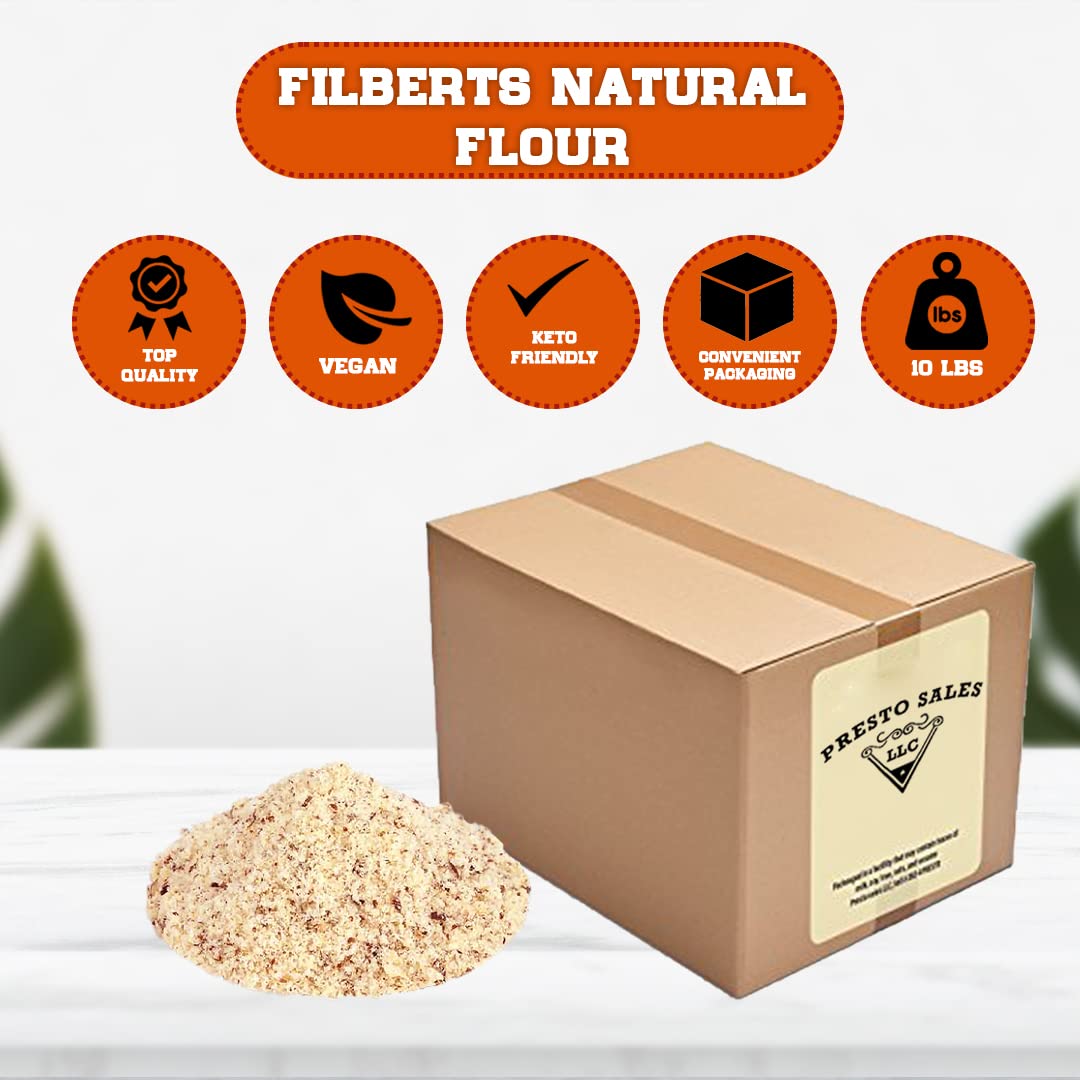
Hazelnut flour — finely ground blanched hazelnuts, sold as a dry powder you use in place of (or alongside) wheat flour — is one of the pricier pantry staples a serious baker can carry. A single pound from a specialty importer can run $30–55; even accessible brands like Anthony’s Goods or Bob’s Red Mill land at $10–18 for a smaller bag. So when a 10-pound bulk option shows up at what looks like a 40% discount, the temptation is real. The problem is that hazelnut flour is high in fat — around 60–65% fat by weight, much of it unsaturated — and unsaturated fat oxidizes. Oxidation is the chemical process that makes fats go stale and smell like old crayons or cardboard. Buy more than you can realistically use before that happens, and the “bargain” becomes an expensive compost bin contribution. This guide gives you the framework to run the numbers on your own baking cadence and make a confident call.
| EDITOR'S PICK[Bob's Red Mill Hazelnut Meal/Fl…](https://www.amazon.com/dp/B09255KPZ7?tag=greenflower20-20) | Mid-tier[Bob's Red Mill Hazelnut Flour/M…](https://www.amazon.com/dp/B075X534C9?tag=greenflower20-20) | Budget pick[Presto Sales Filberts/Hazelnuts…](https://www.amazon.com/dp/B074FC7868?tag=greenflower20-20) | |
|---|---|---|---|
| Package Size | 14 oz x 4 | 14 oz x 4 | 1 lb |
| Total Weight | 56 oz | 56 oz | 16 oz |
| Roast Type | — | Natural | Raw |
| Resealable Bag | — | ✓ | — |
| Origin | — | — | Oregon, USA |
| Price | $67.30 | $47.70 | $26.99 |
| See on Amazon → | See on Amazon → | See on Amazon → |
The Rancidity Math: Why Hazelnut Flour Is Not Like All-Purpose Flour
Most bakers are comfortable storing a 5-pound bag of all-purpose wheat flour on the shelf for six months without thinking twice. Hazelnut flour does not behave that way, and the reason is fat chemistry.
Hazelnuts are roughly 60–65% fat. Per Healthline’s overview of oxidation in polyunsaturated fats, unsaturated fat molecules — abundant in tree nuts — are structurally vulnerable to reacting with oxygen, light, and heat. That reaction produces aldehydes and ketones, the compounds responsible for the sharp, unpleasant smell and flavor bakers recognize as rancidity. The rate of oxidation accelerates once the nut is ground, because grinding dramatically increases surface area exposure. A whole hazelnut has a relatively small surface exposed to air; a tablespoon of fine-ground flour has an enormous one.
Serious Eats’ ingredient science feature on nut flour rancidity puts the practical window like this: properly stored (sealed, refrigerated, away from light), most commercial nut flours are at peak quality for 3–6 months and are technically safe but declining in flavor for up to 12 months. Frozen storage can extend usable life to 12–18 months, but only if you manage condensation carefully when thawing — moisture introduced into a high-fat flour can accelerate both rancidity and clumping.
By the numbers:
| Storage method | Peak quality window | Extended usable window |
|---|---|---|
| Pantry, sealed | 4–6 weeks after opening | ~3 months |
| Refrigerator, airtight | 3–4 months after opening | ~6 months |
| Freezer, airtight, portioned | 6–9 months after opening | 12–18 months |
Windows assume the flour was fresh at purchase. Check lot dates before bulk-buying.
The takeaway: bulk buying is only rational if your usage rate keeps pace with degradation, or if you have the freezer infrastructure to extend shelf life without quality loss.
Running Your Own Usage Audit Before You Click “Add to Cart”
This is the step most bakers skip, and it’s the one that determines whether the 10-pound bag is a smart move. Before committing to bulk, answer three questions honestly.
1. What is your actual weekly hazelnut flour usage?
Pull out a recipe you make regularly and note the gram weight of hazelnut flour it calls for. A standard hazelnut financier batch (12 cakes) uses roughly 120–150g. A 9-inch hazelnut torte uses 200–250g. A batch of hazelnut shortbread runs 100–150g. If you bake with hazelnut flour twice a month, you’re probably moving 250–400g per month, or roughly 3–5 pounds per year. A 10-pound bulk bag at refrigerator storage temperatures would take you 24–36 months to finish — well outside the usable window.
If, on the other hand, you run a small-batch patisserie or develop recipes professionally and go through 1–2 pounds per week, 10 pounds is a roughly 5–10 week supply. That’s comfortably inside the refrigerator window, and a freezer-portioned approach makes it even safer.
2. Do you have adequate airtight cold storage?
King Arthur Baking Company’s ingredient storage guide recommends airtight containers — not the resealable bag the flour ships in — for refrigerator and freezer storage. That means you need enough container space and enough dedicated shelf or freezer space to hold the volume you’re buying. A 10-pound bag occupies significant real estate. If your refrigerator is already at capacity, the flour will end up on a pantry shelf by default, which accelerates the timeline toward off-flavors.
3. Are you buying a flour with a known lot date and fat content?
This is where sourcing discipline matters. Gustiamo’s product notes for their imported Piedmont hazelnut flour, for example, include harvest-year information and fat content percentages — typically 62–65% for Italian varieties. Higher fat content means faster oxidation risk, but it also means richer, more complex flavor. Knowing the fat percentage lets you calibrate your storage urgency. A flour sitting at 60% fat gives you a little more runway than one at 66%. If a supplier can’t tell you the lot date or fat content, that’s a red flag on a bulk purchase specifically — you may be buying flour that’s already several months into its window.
The Price-Per-Recipe Calculation: Does Bulk Actually Save Money?
Let’s do the math on a realistic scenario, using mid-2026 pricing.
Scenario A: Boutique importer, small bag vs. bulk
- Single-origin Piedmont hazelnut flour from a specialty importer: ~$42/lb in a 1-lb bag
- Same flour purchased in a 5-lb bulk format from the same importer: ~$34/lb (roughly 19% discount)
- A standard hazelnut torte recipe uses 225g of flour (~0.5 lb)
- Cost per torte at single-bag price: ~$21
- Cost per torte at bulk price: ~$17
That’s a $4 savings per torte, which sounds meaningful until you factor in the risk. If you discard 2 lbs of the 5-lb bag because it went rancid before you used it, your effective cost per pound on the flour you actually used jumps to ~$57/lb — higher than the single-bag price. The discount disappears, and then some.
Scenario B: Accessible mid-range brand, 1 lb vs. 5 lb
- Anthony’s Goods fine-ground hazelnut flour: ~$14/lb at 1-lb size
- Same brand, 5-lb bulk: ~$10/lb (approximately 28% discount)
- At this price tier, the savings are more resilient because the absolute dollar loss on discarded flour is lower
- Discarding 1 lb of the 5-lb bag still leaves you at an effective ~$12/lb on the four pounds used — still better than the single-bag price
The math favors bulk more reliably at mid-range price points where the downside of waste is smaller. At premium price points, the bulk discount needs to be substantial (25%+) and your usage rate needs to be high before the economics make clear sense.
The Freezer-Portioning Strategy: Making Bulk Work If Your Volume Justifies It
If your usage audit confirms you genuinely go through 2+ pounds of hazelnut flour per month, bulk buying can work — but only with a disciplined portioning and storage system. America’s Test Kitchen’s baking science reference notes that freezer storage is effective for high-fat nut flours specifically because it dramatically slows oxidation, but the critical risk is moisture introduction during thaw cycles.
The approach that aggregated baking community guidance consistently points to:
-
Portion immediately upon receipt. Don’t store the full bulk bag as-is. Divide the flour into smaller airtight containers or heavy-duty freezer bags — roughly the amount you’d use in 2–4 weeks of active baking. Label each with the purchase date and lot number.
-
Keep one working portion in the refrigerator, everything else in the freezer. Your fridge portion is what you bake from daily; the freezer portions are reserves. Rotate in a new fridge portion only when the current one is nearly finished.
-
Thaw frozen portions in the refrigerator, not on the counter. Slow thawing minimizes condensation inside the container. Once thawed, use within 2–3 weeks and do not refreeze.
-
Smell-test every time. Rancidity is detectable by nose before it’s visible. If the flour smells at all like crayons, old cooking oil, or stale nuts, it’s past its peak. At premium price points, using compromised flour in a bake is a false economy — the flavor will be there, and not in a good way.
When to Buy in Bulk and When to Stay Small: A Clear Decision Framework
After the math and the logistics, here’s the honest decision rule:
Buy bulk if:
- Your usage rate is 1.5+ lbs per month consistently (not aspirationally)
- You have dedicated airtight freezer containers and the space to use them
- The bulk price represents at least a 20–25% discount over single-unit pricing
- The supplier can confirm lot date and the flour is recent (within 3–4 months of harvest or packaging)
- You’re working with a mid-range brand ($10–18/lb range) where the downside of waste is financially manageable
Stay with small bags if:
- You bake with hazelnut flour occasionally or seasonally
- You’re working with premium single-origin flour ($35+/lb) where waste is costly
- Your refrigerator and freezer storage are already constrained
- You’re still experimenting with hazelnut flour in new recipes — buy small until you know you’ll use a format reliably
- The “bulk” option from your supplier is a large single bag with no lot date information
The middle path worth knowing about: Some specialty suppliers, including certain domestic Oregon hazelnut mills, offer subscription or recurring shipment options in 2-lb increments at pricing between single-unit and full bulk. For serious home bakers who use hazelnut flour regularly but not at commercial volume, this can be the best of both worlds — predictable freshness, meaningful price savings, and no freezer Tetris required.
The 10-pound bag is a genuine bargain for the right baker at the right cadence. For everyone else, it’s a rancidity trap dressed up as a discount. Run your numbers, check your storage, verify your lot date — and then decide.